Roatán, Islas de la Bahía, Honduras
You can have an incredible dive week in Roatan in any month - but you can also accidentally book the “right” season for the wrong kind of trip.
If you’re coming for calm seas and long, easy days on the reef, your best time won’t match the family that wants the lowest crowds, or the couple that cares most about warm water and sunset dinners after a two-tank morning. Roatan is generous like that: the diving is consistently good, and the trade-offs are usually about comfort, vibe, and what you want your days to feel like.
Below is a practical, month-by-month view of the best time of year to dive Roatan, with the real-world details travelers wish they knew before they booked.
What “best time of year to dive Roatan” really depends on
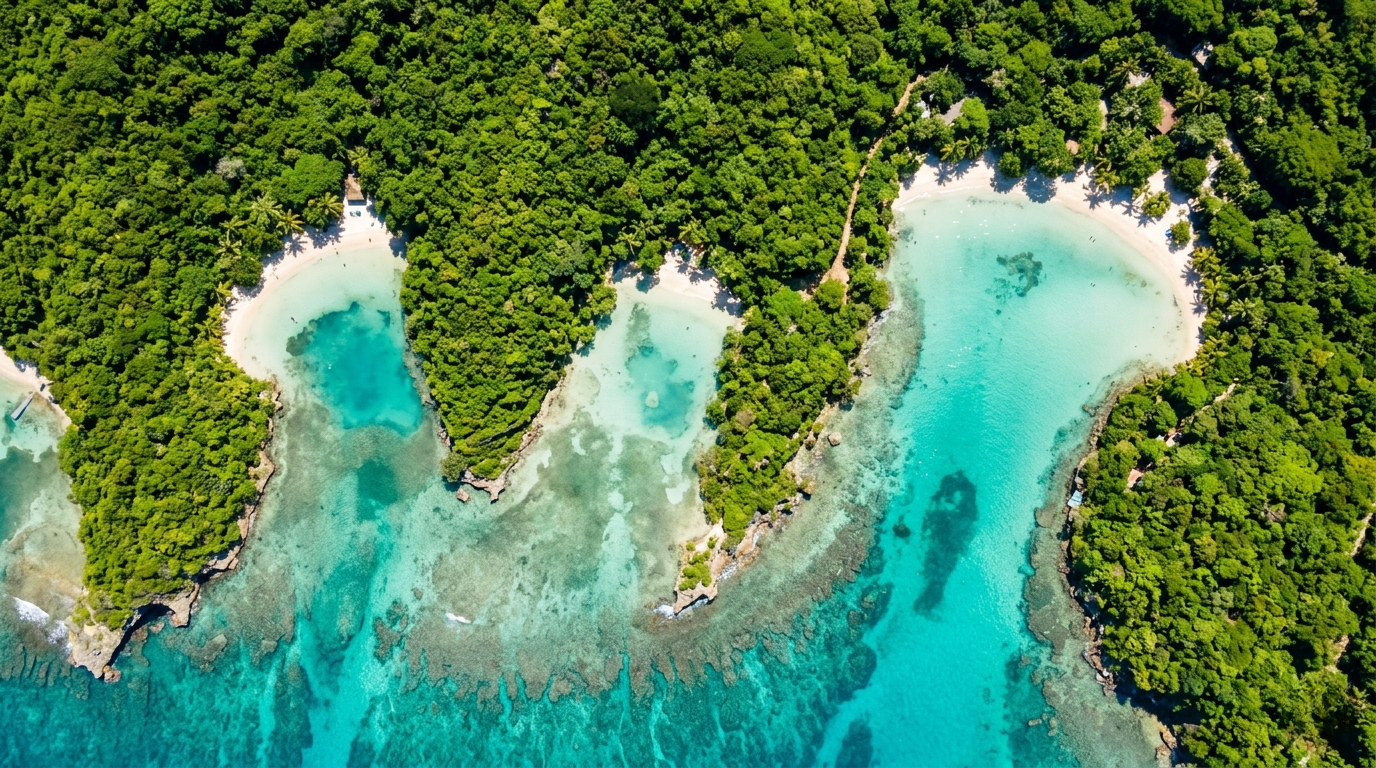
Roatan sits in the Bay Islands, protected by the Mesoamerican Barrier Reef system. That geography is why we can say, honestly, that there’s no bad season - there are just different priorities.
In most years, the biggest variables are wind direction (which affects surface conditions), rainfall patterns (which affect topside plans more than underwater ones), and how busy the island feels. Water temperature shifts through the year, but not dramatically. Visibility is generally strong, and when one side of the island is choppy, operators often adjust and run sites that stay comfortable.
So when someone asks for the best time, we ask a better question: do you want “easiest,” “quietest,” “warmest,” or “best value?” You can usually pick two.
Month-by-month: diving conditions and trip vibe
January
January tends to feel crisp and breezy by Roatan standards. Water is on the cooler side, and you’ll appreciate a 3mm for longer dives, especially if you’re doing multiple days in a row.
Trade-off: some days can be windier, which can make surface rides bumpier. Reward: the island often feels fresh, and it’s a great month for travelers who like structured days - morning dives, lazy afternoons, and early nights.
February
February is similar to January with slightly more settled rhythms. The diving remains excellent, and many guests love this month because it’s an escape from US winter without the peak-holiday intensity.
If you’re a newer diver, this can still be a comfortable time to learn, but it helps to choose an operator that’s happy to pivot sites based on conditions so you’re not stuck on a rougher run when there are calmer options.
March
March is a sweet spot for many Roatan divers. Weather is often cooperative, seas can feel calmer, and the whole trip experience is easy to enjoy: beach time actually feels like beach time, not “run inside before the shower” time.
It can also be a high-demand month for travel, so if you want specific dates, specific villa layouts, or to keep your schedule relaxed (no tight connections, no last-minute scrambles), booking earlier pays off.
April
April is one of the most consistently pleasant months to pair diving with everything else Roatan does well - snorkeling, boat days, dining in West End, and slow afternoons by the pool.
You’ll still want to keep an eye on Easter timing because it can change the island’s pace. When it’s busy, the energy is fun, but if your ideal is “quiet, private, unhurried,” you’ll want to plan around the busiest weeks.
May
May often delivers that “why didn’t we come sooner?” feeling. It can be warmer, the crowds are usually lighter than spring break season, and the diving stays strong.
Rain is more likely to show up in short bursts, but many travelers are surprised by how little it affects the dive day - especially if you’re diving in the morning and saving land adventures for later. If you like value and breathing room, May is a very strong contender for best time of year to dive Roatan.
June
June is warm-water season in full swing. This is when Roatan starts to feel extra relaxed: sun, long days, and that easy vacation pace where you forget what day it is.
For families, June can be ideal because you can plan predictable dive windows for adults while still having plenty of time for beach, wildlife parks, and low-key dinners. It’s also a good month for divers who hate feeling cold in the water.
July
July is reliably warm and popular. The island can feel busier because of summer travel, and you’ll see more multi-generational groups, friend trips, and families.
Underwater, the reef doesn’t care that it’s July - you still get beautiful walls, sand channels, and colorful shallow sites that make for a great second tank. The main consideration is simply planning ahead so your lodging, dive schedule, and transportation feel smooth instead of “whatever we can get.”
August
August is warm, bright, and often surprisingly good for divers who want a mix of diving and downtime. Afternoon showers can happen, but they’re often quick, and many guests end up loving the rhythm: dive early, nap or read during a passing shower, then go back out.
If you’re heat-sensitive topside, choose accommodations that make it effortless to cool down and reset between dives. Comfort matters when you’re doing multiple days of diving - it’s not just about the reef.
September
September can be one of the most underappreciated months on the calendar. Crowds tend to thin out, rates can be attractive, and the water is still warm.
This is the month for travelers who value privacy and calm. You’re more likely to get the “quiet island” feeling, which pairs beautifully with a dive-heavy schedule. The trade-off is that it’s deeper into the Atlantic hurricane season, so it’s smart to travel with flexibility and keep an eye on forecasts as your dates approach.
October
October continues the quieter vibe, with warm water and a slower pace on the island. It can also bring more weather variability.
If your priority is maximum sunshine for topside adventures every single day, this may not be your first choice. If your priority is a relaxed, uncrowded Roatan where you can dive, eat well, and take the island as it comes, October can be a fantastic fit.
November
November often marks a shift toward more stable patterns as the year turns. The island starts to feel like it’s gearing up for winter travel again, but without the full holiday rush early in the month.
For divers, it’s a solid middle ground: still warm enough to stay comfortable, often calmer than the peak of fall variability, and generally a pleasant time to stack dive days with a few signature excursions.
December
December is two different months. Early December can be mellow and lovely, with great diving and a relaxed feel. Late December can be very busy, with higher demand and a more festive pace.
If you’re planning a holiday dive trip, the biggest “condition” you’re managing is logistics: flights, accommodations, and making sure your dive days are scheduled the way you want. The diving will deliver - it’s the calendar that gets competitive.
When is visibility best in Roatan?
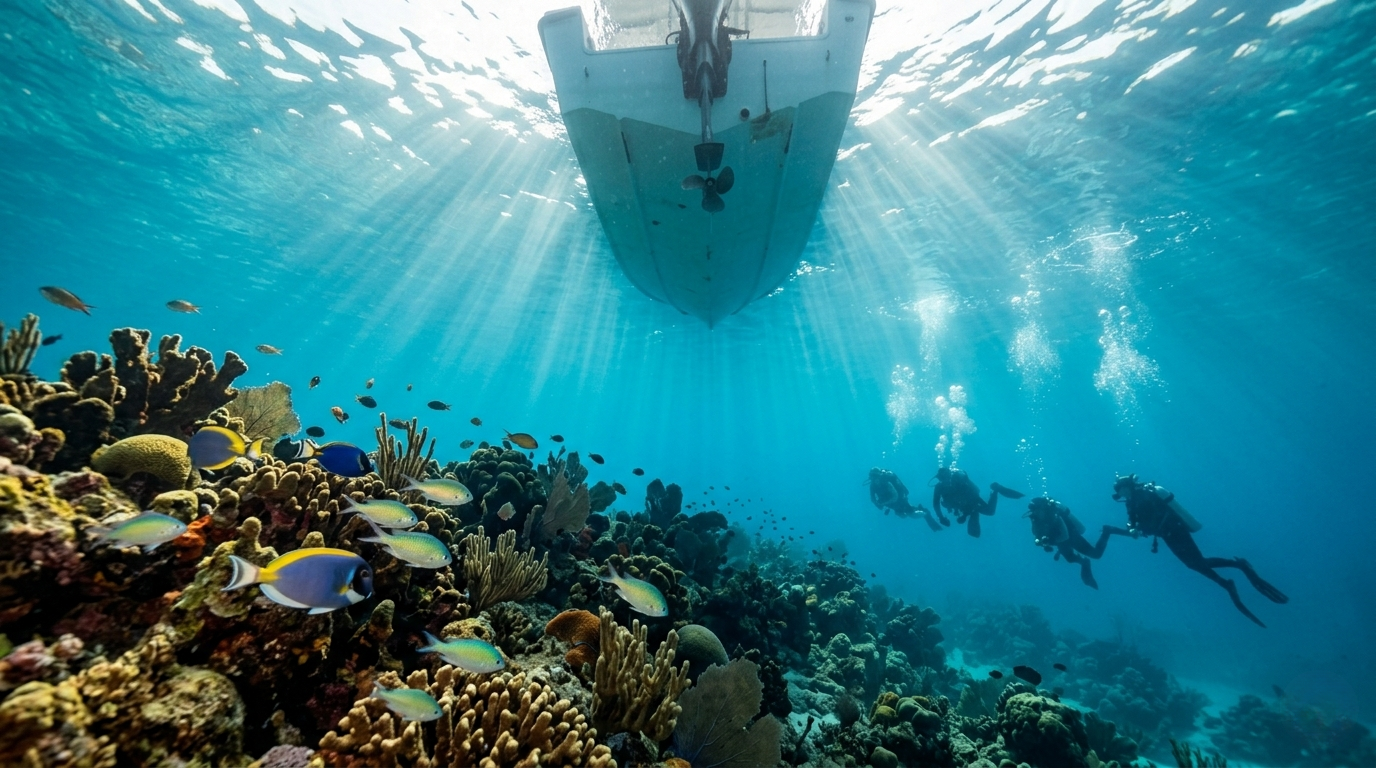
Most visitors are happy with Roatan visibility year-round. When people ask this question, they often mean, “When will the ocean look like a postcard every day?” The honest answer is that underwater visibility is usually excellent, while surface conditions can vary with winds and passing weather.
If visibility is your top priority, look for months that typically pair calmer seas with steady weather - March through June is a common sweet spot. That said, even in months that are windier or wetter, dive operators frequently choose sites that stay clear and comfortable.
The warmest water months for long dive days
If you get chilly easily, you’ll love late spring through early fall. June through September typically feels like “stay in the water forever” season.
In the cooler months, you can still be perfectly comfortable with the right exposure protection and smart planning. Many experienced divers prefer slightly cooler water because they feel fresher after repetitive dives and don’t overheat topside.
Crowds, pricing, and the feel of your trip
The best time of year to dive Roatan isn’t only about the ocean - it’s also about whether you want buzz or breathing room.
If you want a lively island with more happening in restaurants and beach bars, winter and spring travel tends to deliver. If you want quieter beaches, easier reservations, and a more private pace, late summer and fall can feel like you have more of Roatan to yourself.
Pricing often follows those patterns. Peak holiday weeks and high-demand spring dates tend to book faster and price higher. Shoulder seasons can offer better value, but you’re accepting a little more weather variability in exchange.
A simple way to choose your “best” season
Here’s an easy match if you’re deciding between a few windows.
If you want the most consistently easy conditions and a classic Caribbean vacation feel, aim for March, April, or May. If your must-have is warm water and a relaxed summer rhythm, June through August shines. If you want quiet, privacy, and value, September and October often surprise people in the best way - as long as you’re comfortable building in a little flexibility.
And if you’re trying to escape US winter with a dive-forward trip, January and February can be excellent when you plan for occasional breezier days and pick an operator that chooses sites thoughtfully.
Making the whole week feel effortless
The best dive trips aren’t just about the boat. They’re about how easy it is to rest, eat well, and reset between dive days. Being close to West Bay and West End helps because you can keep your schedule flexible: dive in the morning, grab lunch without a long commute, then decide whether your afternoon is beach, nap, or a sunset dinner.
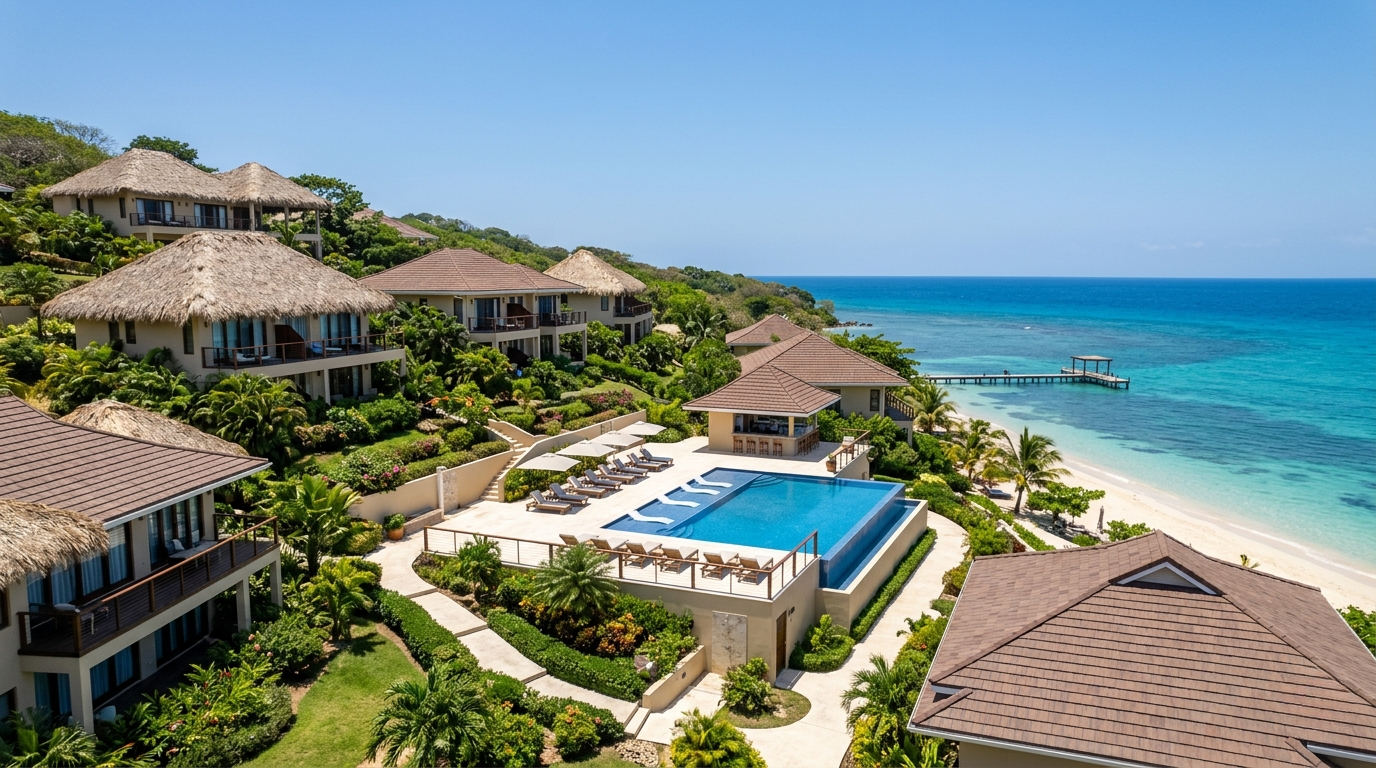
If you’re the kind of traveler who wants privacy and space between adventures, villas and suites with room to spread out make a real difference on a dive week - especially for families and groups. At Villas de Cisnes, our team plans Roatan stays that pair calm, upscale accommodations with coordinated diving and island logistics, so you spend less time figuring things out and more time enjoying the water. You can see the property and explore stay options at https://VillasDeCisnes.Com.
A helpful way to end the debate is this: choose your dates based on the kind of week you want to live inside of, then let the reef do what it does best - show up, day after day, and remind you why you booked Roatan in the first place.